
Microbial Challenge Studies
Scientifically rigorous challenge studies designed to validate food safety, shelf-life stability, and preservative performance — with regulatory-ready data for product development and compliance.
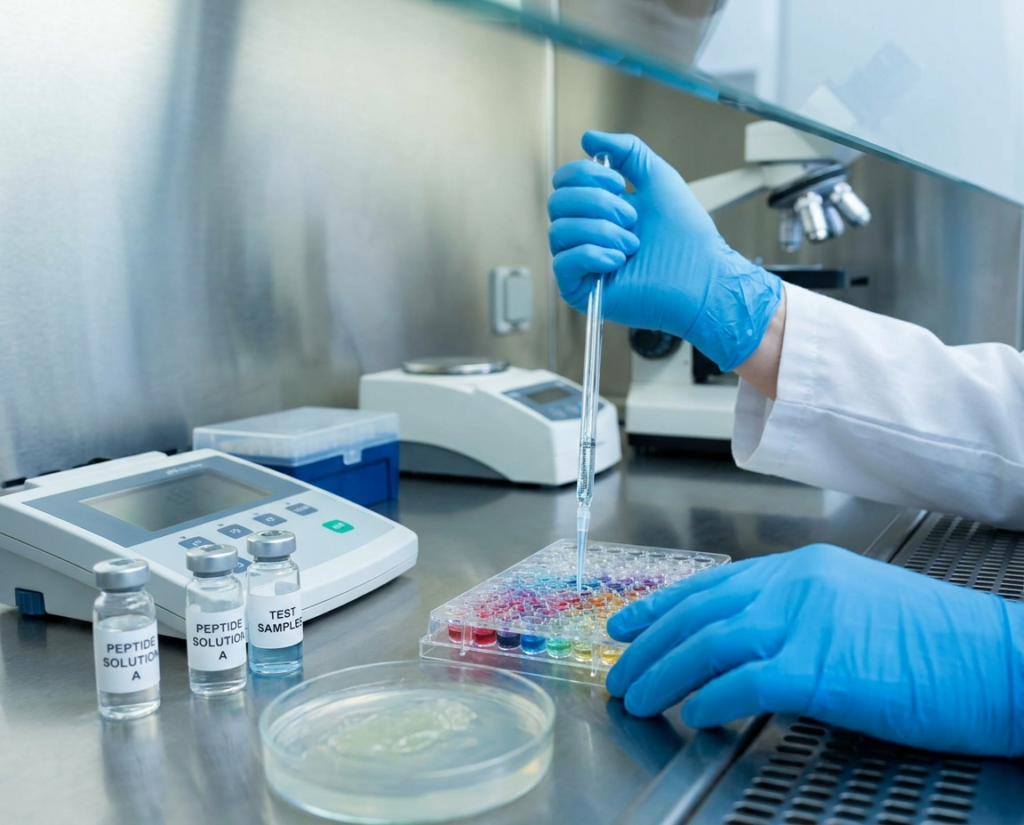
What Is Microbial Challenge Testing?
Microbial challenge testing (inoculated pack study) deliberately introduces relevant pathogenic or spoilage microorganisms into a food or beverage product under controlled conditions. Scientists observe how microbes behave within the actual product matrix — revealing whether they grow, survive, or are inactivated over time.
These studies provide critical data to assess risks to food safety and shelf-life stability, and support HACCP, FSMA, and process validation requirements.
Study Types
Growth Inhibition
Assess whether the product prevents pathogen or spoilage organism growth under intended or abusive storage.
Inactivation (Die-Off)
Evaluate whether the formulation reduces viable counts of target pathogens over time — supporting acidified food filings.
Combination Studies
Measure both initial pathogen kill and long-term inhibition of survivors or spoilage microbes.
Common Target Organisms
Pathogens: Listeria monocytogenes, Salmonella spp., E. coli, Staphylococcus aureus, Bacillus cereus, Clostridium sporogenes, and Cronobacter sakazakii.
Spoilage organisms: Lactic acid bacteria, yeasts and molds, Alicyclobacillus, Zygosaccharomyces bailii, and heat-resistant molds.
Protocols align with NACMCF guidelines and are reviewed by experienced food microbiologists. Storage profiles from refrigerated (4°C) through thermophilic (up to 55°C) are available.